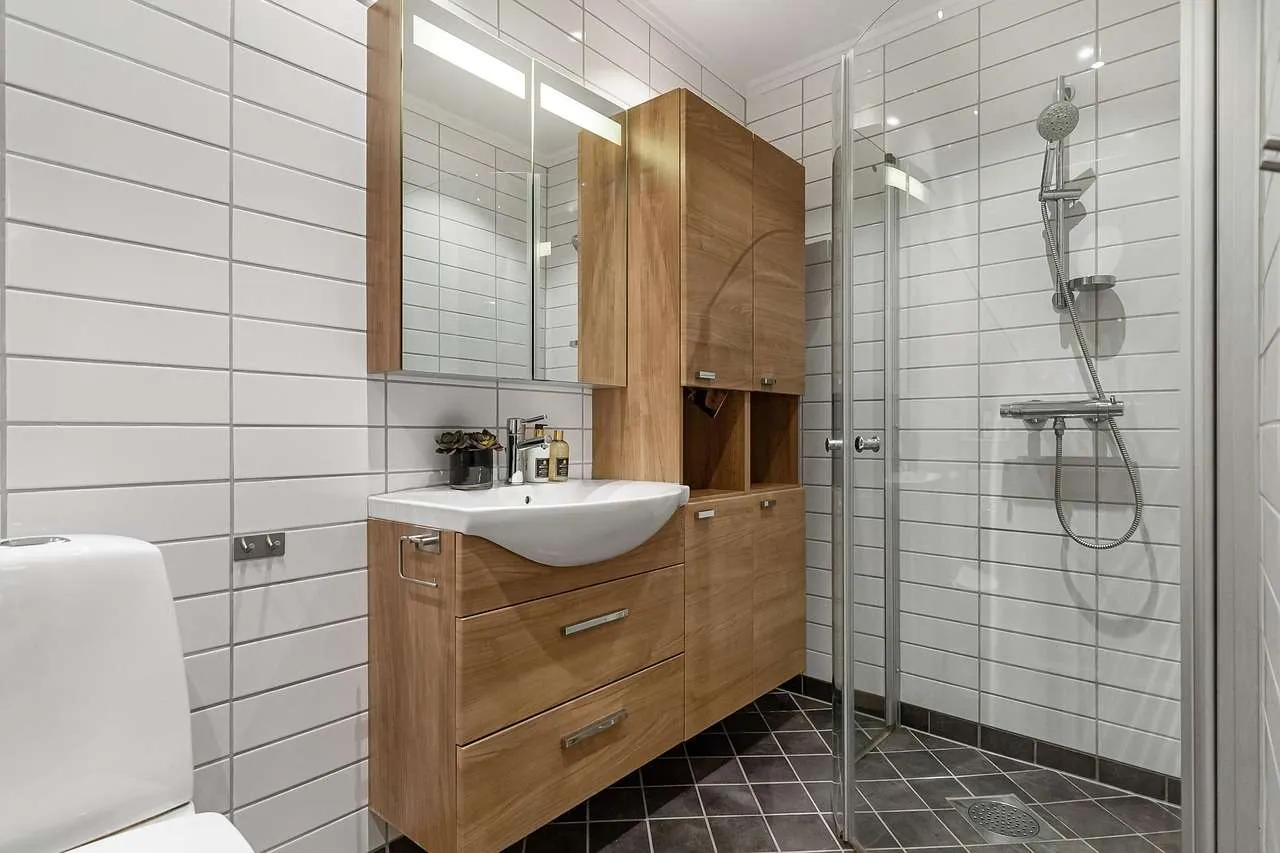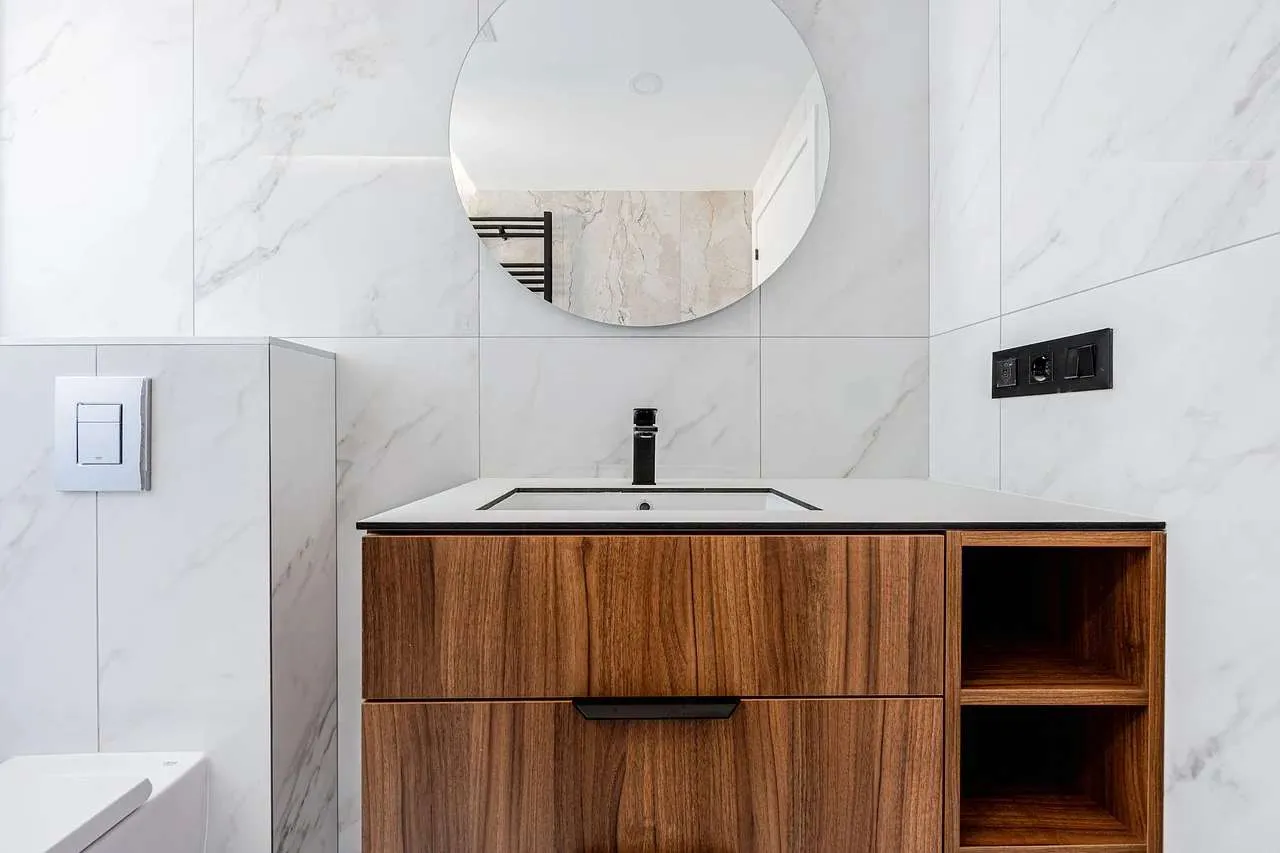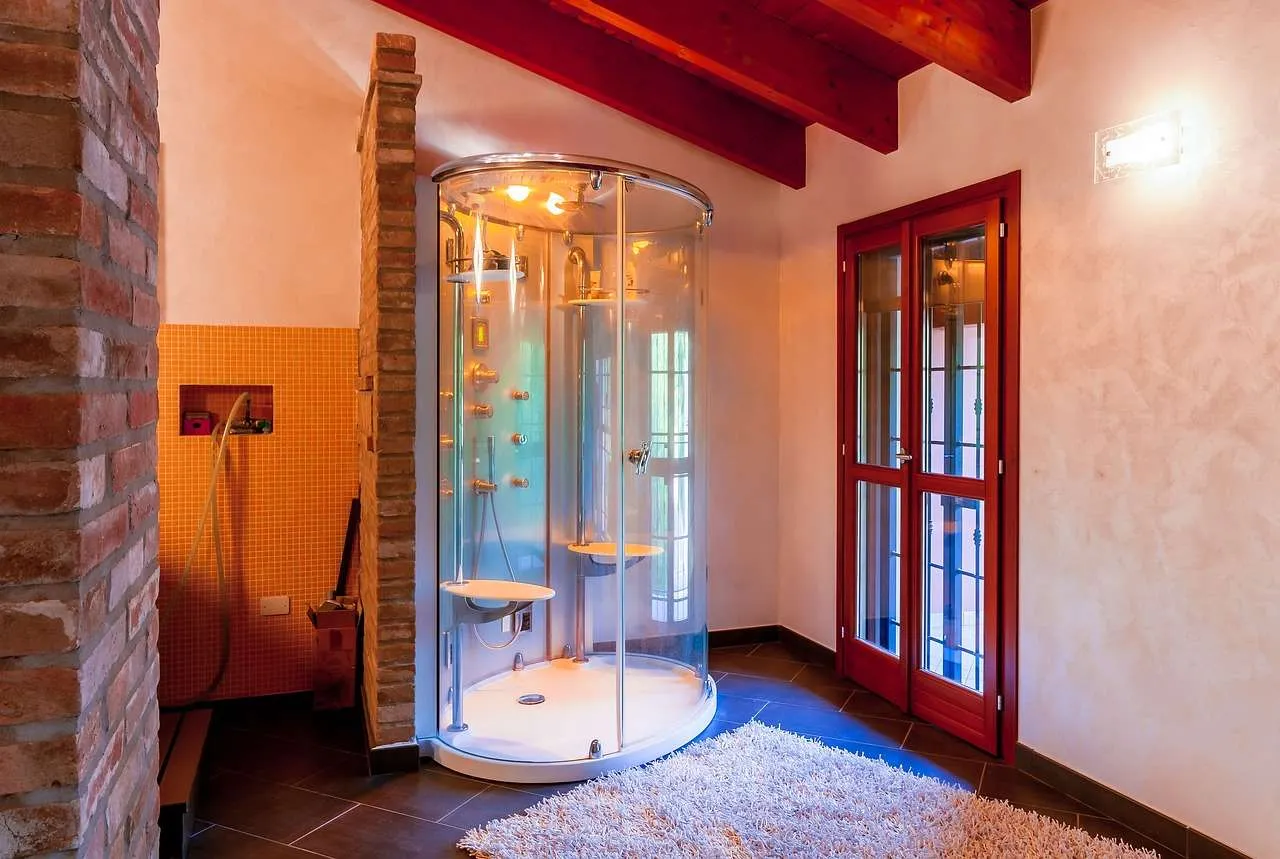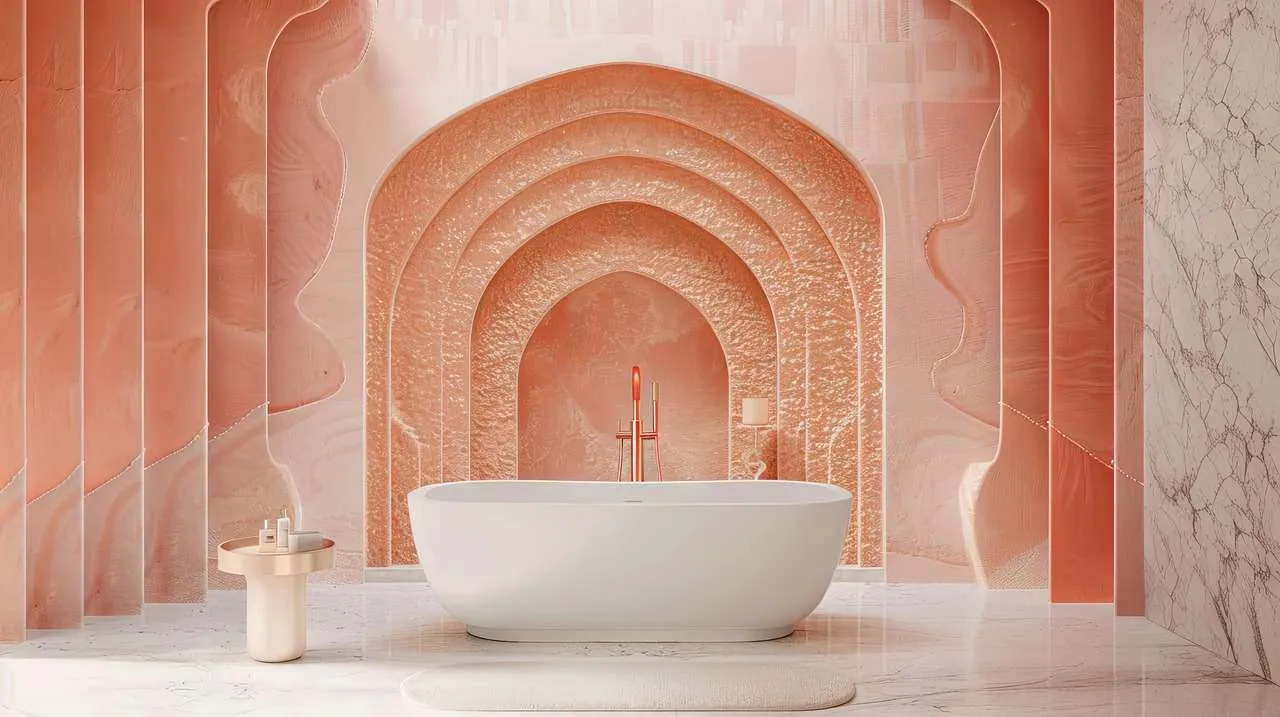
Choosing bathroom tiles is about more than color; it defines moisture resistance, slip safety, and long-term value. With a decade of experience in tile design and installation, I will explain how to pick materials, plan layouts, and maintain your surfaces so they stay beautiful and durable for years. Whether you’re renovating a compact ensuite or refreshing a large family bath, the right tiles blend aesthetics with practicality, transforming routine care into a trusted investment.
Types of bathroom tiles
Tiles come in a range of materials, each with distinct advantages. Your choice should consider moisture exposure, foot traffic, cleaning routines, and budget.
Ceramic tiles
Ceramic tiles are versatile and affordable, with wide color and pattern options. They’re easy to cut and install, making them popular for walls and light-use floors. However, they’re less dense and absorb more water than porcelain, so choose a glaze rated for wet areas and a suitable PEI rating for floors.
Porcelain tiles
Porcelain is a dense, low-porosity option that performs well in showers and baths. Its strength allows larger formats and slimmer grout lines, creating a seamless look. While more expensive and harder to cut, porcelain is highly durable and stain resistant when properly installed and sealed.
Natural stone tiles
Natural stones like marble, travertine, or slate offer premium aesthetics and unique veining. They’re gorgeous but require regular sealing and maintenance to protect against moisture and stains. Use stone-specific sealants and select pre-sealed or extruded tiles designed for bathrooms where water exposure is routine.
Glass tiles
Glass tiles add shimmer and light, excellent as backsplashes or accent bands. They resist staining and are easy to clean, but can be slippery on floors and may require more careful installation and glass-specific grout to avoid adhesive bleed-through.
Cement and terrazzo tiles
Concrete-based tiles and terrazzo deliver a contemporary, durable look. They’re strong for floors and walls but require sealing to prevent staining and moisture ingress. Use non-slip finishes in wet zones and ensure professional grouting to minimize cracks over time.
Design considerations for bathroom tiles
Size, layout, and pattern
Tile size affects perceived space. Larger tiles reduce grout lines and can make small bathrooms feel bigger, while small tiles offer better traction and intricate patterns. Consider layouts such as grid, herringbone, or vertical stacks to influence ceiling height perception and visual interest.
Color, finish, and texture
Light-colored tiles reflect more light and can brighten a space, while dark tones add drama and depth. Matte finishes reduce glare and show less water streaks, while glossy surfaces enhance reflectivity but require more frequent cleaning. Textured or honed surfaces improve grip but demand care in maintenance.
Slip resistance and safety
For floors, prioritize slip resistance (look for a higher COF rating) and consider textured tiles in wet zones. In showers, floor tiles should have a non-slip finish and an appropriate slope to drain efficiently.
Installation and maintenance basics
Substrate prep and layout
A stable substrate prevents cracks and ensures long-lasting adhesion. Begin with a crack-isolation membrane, flat substrate, and clean surface. Dry-lay your tile pattern to confirm alignment and cutting ratios before applying adhesive.
Grout, sealants, and finishing
Use polymer-modified thin-set mortar for durable bonding. Choose grout color thoughtfully to blend or contrast with tile shade. Seal natural stone and certain porcelains as required, and routinely reseal every 1–3 years depending on usage and sealer type.
Buying guide and quick tips
How to choose for showers vs. floors
Showers demand water resistance, slip safety, and easy cleaning. Select porcelain or dense ceramic with a water absorption rate near 0.5% or less, and non-slip floor finishes. For floors in dry zones, durability and scratch resistance matter; porcelain or ceramic with a suitable PEI rating is typically ideal.
Tile type comparison
| Tile Type | Pros | Cons | Best For |
|---|---|---|---|
| Ceramic | Affordable, wide designs, easy to cut | Less dense, higher water absorption | Walls, light-use floors |
| Porcelain | Dense, water resistant, durable | Higher cost, harder to cut | Floors, showers, heavy-use areas |
| Natural Stone | Premium look, unique veining | Sealing, maintenance, variable durability | Wet areas with sealing or dry zones |
| Glass | Reflective, modern, easy to clean | Slippery on floors, can crack | Backsplashes and decorative accents |
| Cement/Terrazzo | Industrial chic, durable | Porous surface unless sealed | Contemporary walls and showers |
Conclusion, selecting bathroom tiles requires balancing moisture zones, slip resistance, durability, and design goals. Ceramic and porcelain handle wet areas with ease, natural stone elevates style with proper sealing, and glass tiles introduce light and contrast. By measuring spaces, choosing the right size and finish, and working with a qualified installer, you’ll achieve a bathroom that performs well and ages gracefully.