Choosing the right small bathroom ideas can transform a tight space into a functional retreat. A well-planned design prioritizes flow, light, storage, and durable materials. This guide reflects professional experience and best practices to ensure trustworthy, expert, and authoritative advice for homeowners, renters, and renovators alike.
Smart Layout and Space-Saving Shapes
In small bathrooms, layout is king. Favor rectangular fixtures and avoid bulky corners. Consider a door that slides or opens outward to reclaim space. A single-wall or corner vanity reduces visual clutter, while a wall-mounted toilet and pedestal sink create airiness. If possible, position the shower or tub along the longest wall and use a glass enclosure to visually extend the room.
Vanity and Sink Choices
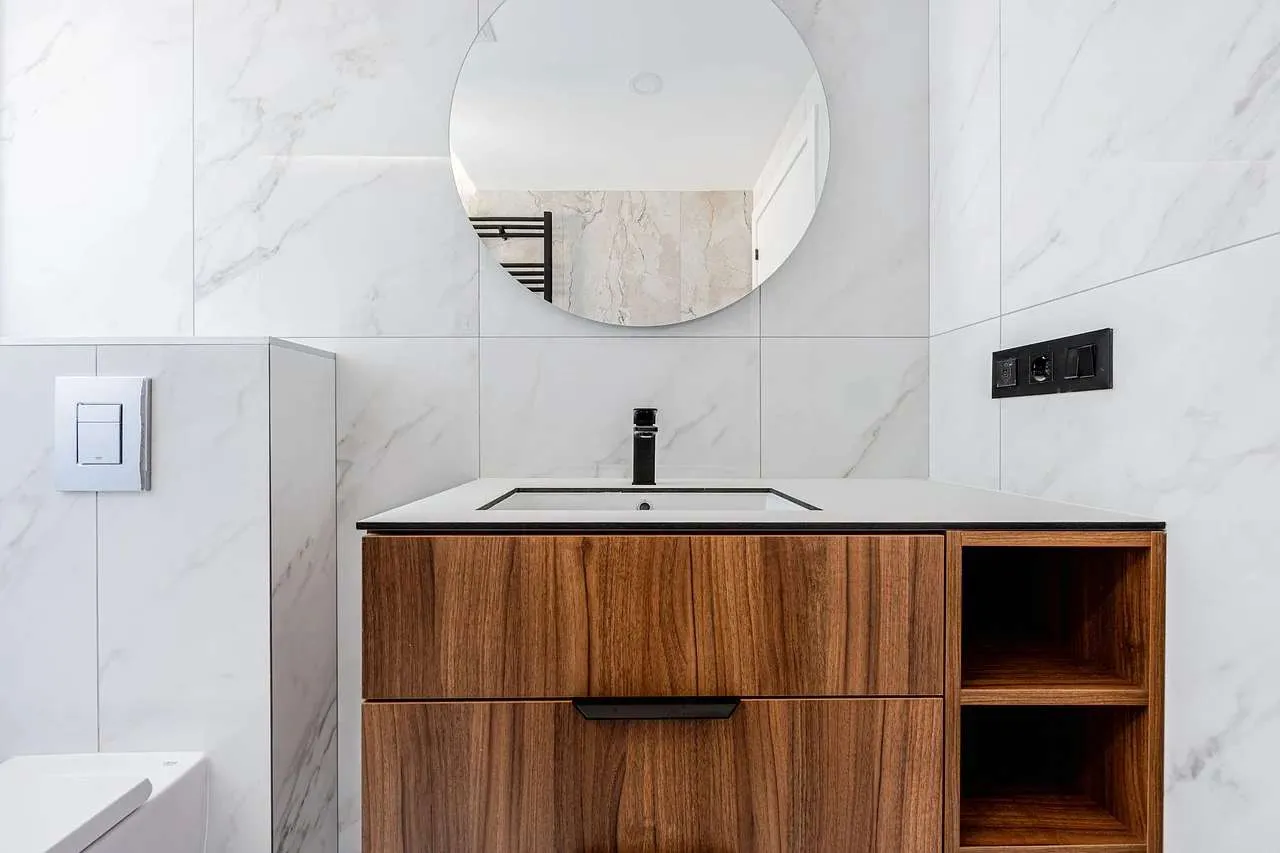
Choose a shallow vanity with integrated storage and a vessel sink or a recessed sink to minimize countertop depth. A wall-hung vanity exposes floor space, making the room feel larger and easier to clean.
Lighting and Mirrors
Layer lighting with overhead, task, and ambient layers. A ceiling fixture paired with LED strip lighting under cabinets makes the space feel brighter. A large mirror or a mirrored cabinet reflects light and enhances depth, especially when placed opposite a window or light source.
Storage Solutions
Storage is the backbone of small bathroom design. Use recessed niches, built-in baskets, and tall cabinets that go from floor to ceiling. A medicine cabinet with interior shelving keeps essentials accessible, while corner shelves maximize unused space. Consider a linen tower if the ceiling height allows it.
Shower and Bath Options
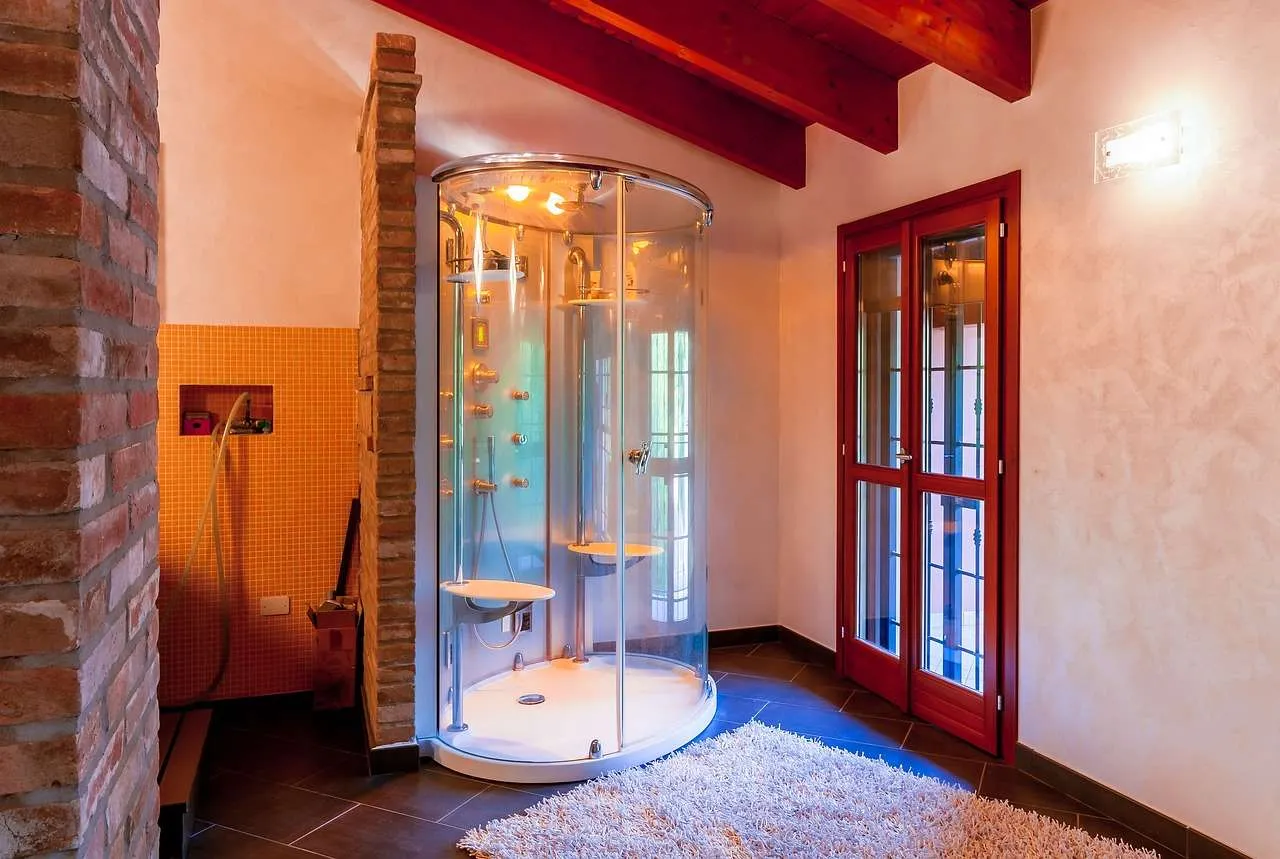
A shower with clear glass opens the room visually. A corner shower with a slim profile or a wet room concept can feel expansive when executed with seamless transitions and non-slip tiling. For bathtub lovers, a compact soaking tub or a shower-tub combo can save space without sacrificing comfort.
Materials and Finishes
Light colors and reflective surfaces brighten a small bathroom. Use large-format tiles to reduce grout lines, and choose moisture-resistant materials such as porcelain, glazed ceramic, and high-performance laminate. Non-slip floors are essential for safety and longevity.
Color, Texture, and Theme
Keep a cohesive color palette. Soft neutrals with a pop of accent color in towels or accessories create a calm, spacious feel. Texture comes from wood-effect tiles, stone-look porcelain, or matte fixtures to avoid a sterile look.
Budget and Timeline Considerations
Plan with a realistic budget and a phased timeline. Prioritize essential updates such as waterproofing, ventilation, and drainage. DIY-friendly components like fixtures and paint can offer big gains at low cost, while professional help ensures a durable, code-compliant installation for structural and electrical work.
Comparison: Design Approaches for Small Bathrooms
| Approach | Pros | Cons | Best For |
|---|---|---|---|
| Minimalist light palette | Feels open; easy to maintain | Shows dirt and water spots | New builds or renters prioritizing simplicity |
| Smart storage and built-ins | Maximizes space; reduces clutter | Higher upfront cost | Families and active households |
| Glass enclosures and mirrors | Enhances perceived space | Requires care and seals | Small baths with natural light |
| Wet room or walk-in shower | Airy, modern feel | Water containment considerations | Open-plan layouts |
With careful planning, even the smallest bathrooms can feel larger, cleaner, and more functional. The key is to identify the most critical needs, choose fixtures that maximize space, and maintain a cohesive look that uses light and mirrors to expand the visual area.
Conclusion, practical small bathroom ideas center on smart layout, storage, lighting, and durable materials to maximize space and usability in any compact bathroom.