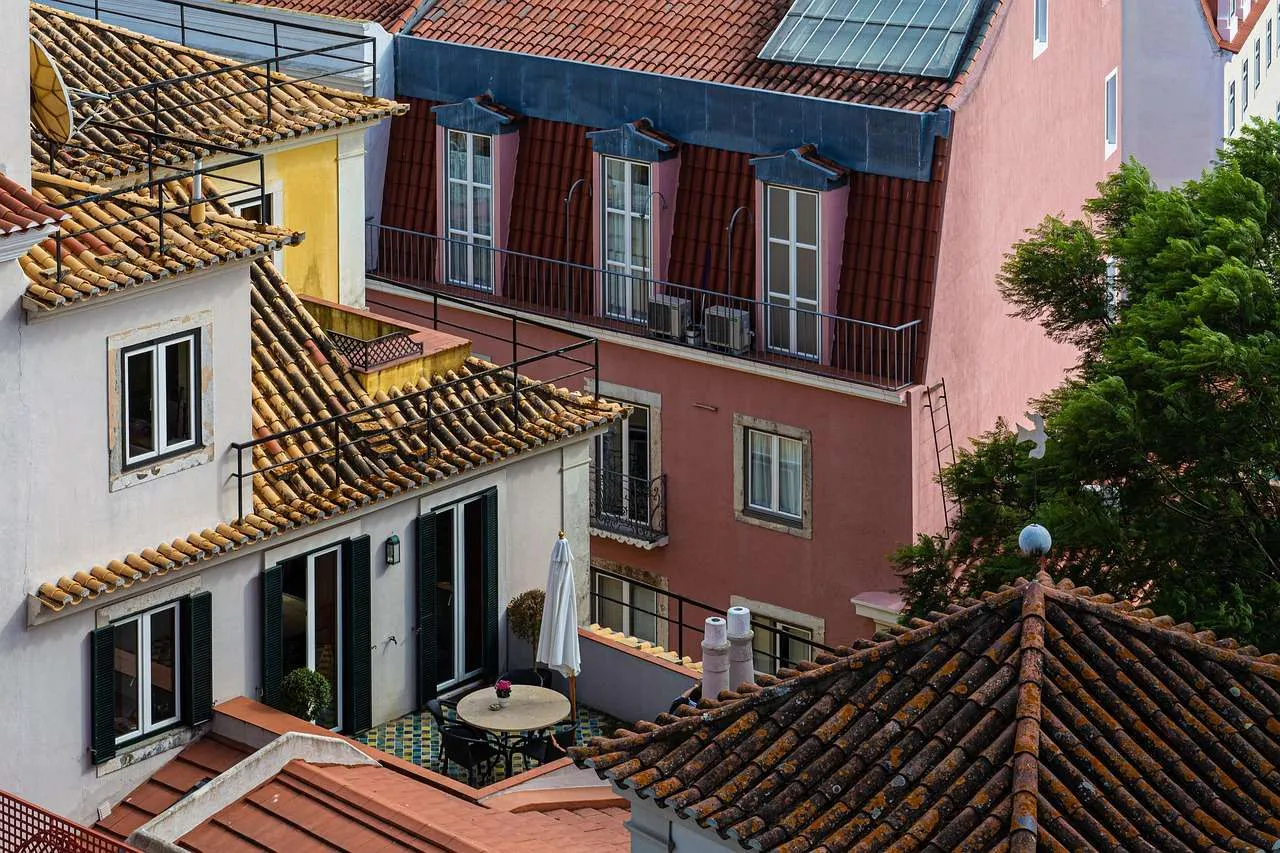
Repair of roofing is a common concern for homeowners. A small leak, missing shingle, or damaged flashing can escalate quickly if not addressed. This article explains how to identify problems, when to repair versus replace, and how to choose the right professionals to ensure safety, quality, and long term performance. Drawing on industry best practices and safety guidelines, the following sections provide practical insights you can use to protect your home.
Understanding common roof damage
Roofs endure weather, thermal movement, and aging. Common problems include leaks after rain, curling or buckling shingles, damaged flashing around chimneys or vents, ice dams in cold climates, clogged gutters, and hail impact. Early signs such as staining on ceilings, dark streaks on the roof surface, or granule loss in gutters point to the need for assessment. A trained professional can diagnose underlying causes, including attic condensation, structural movement, or poor initial installation.
Key indicators that you need repair
- Active leaks or dripping inside after storms
- Missing, cracked, or curling shingles
- Damaged or corroded flashing
- Ice dams or water staining in the attic
- Granule loss in gutters or downspouts
Repair vs replacement: decision factors
Deciding whether to repair or replace hinges on roof age, extent of damage, and budget. If the roof is near the end of its lifespan or damage affects structural components, replacement may be the cost effective path. For small, localized issues with intact decking and underlayment, repairs can extend life and delay a full replacement. A licensed contractor can provide a written assessment and cost estimate that reflects warranty considerations and local building codes.
Repair methods: how professionals fix roofs
Repairing the roof typically begins with a thorough inspection, then targeted work to restore waterproofing and energy efficiency. Common methods include:
- Shingle repair or replacement for broken or missing pieces
- Flashing replacement or resealing at penetrations
- Sealing around vents, pipes, and chimneys
- Fixing leaks from condensation or poor attic ventilation
- Patch repairs for small damaged areas on flat or low slope roofs
| Scenario | Repair Method | Estimated Cost | Pros | Cons |
|---|---|---|---|---|
| Minor leaks or intermittent drip | Shingle replacement or patch | $100-$300 | Low cost, quick fix | Temporary solution |
| Loose or missing shingles | Shingle replacement | $150-$500 | Restores waterproofing | Matching shingles may be needed |
| Flashing around chimney/vents | Flashing replacement or resealing | $300-$900 | Prevents leaks at penetrations | Requires careful installation |
| Widespread surface damage | Patch repair or targeted replacement | $0.50-$2.00 per sq ft | Economical for small areas | Not a long term solution |
| Structural damage detected | Repair or reinforcement | Varies | Protects structure | Higher cost |
Materials, safety, and maintenance tips
Quality repairs use appropriate, code compliant materials. For asphalt shingles, durable underlayment, matching flashing metals, and compatible sealants are essential. Safety is non negotiable: use fall protection, secure ladders, and work from the roof only when weather is clear. If you are not trained in roof work, hire a professional who is licensed, insured, and experienced with local building codes. A competent contractor will provide warranties on both parts and workmanship, reflecting EEAT principles by demonstrating expertise and accountability.
DIY vs professional repair: pros and cons
While minor maintenance like debris removal can be a DIY task with caution, most repairs especially around flashing, leaks, and structural components are best handled by a licensed roofer. DIY risks include personal injury, further water intrusion, and voiding warranties. A professional ensures proper diagnosis, high quality materials, code compliance, and a workmanship warranty.
Costs and maintenance considerations
Repair costs vary by region, roof type, and extent of damage. Typical small repairs might range from 100 to 500 dollars, while mid size projects can exceed 1 000 dollars. Routine maintenance such as gutter cleaning, de icing, and biannual inspections helps prevent major repair needs. Keep records of repairs and warranties for future reference and resale value.
Summary
Summary: Repair of roofing is a practical, cost effective approach when addressed early by a qualified professional. By recognizing signs, choosing the right method, and prioritizing safety and proper materials, homeowners can extend roof life, protect the home, and maintain adherence to building codes and warranties.